

December 2025
The Month of
The Holiday Pour
Three wines for a meal that runs long. A Burgundy Crémant from a Chablis house, to start generous. A Serralunga Barolo to hold the table through the main. And a Sicilian amphora orange — the wildcard that gives the night something to talk about.
Selections from a past month — availability may have changed.
Our recommendations may include affiliate links. Purchases made through them help support TERROIR’s editorial work at no extra cost to you.
01
The Weekday Wine · Under $20
Simonnet-Febvre Crémant de Bourgogne Brut NV
Chablis, Burgundy, France
Crisp green apple and lemon zest, with the toasty edge that méthode traditionnelle brings out of cool-climate Burgundian Chardonnay. Simonnet-Febvre has been making sparkling wine in Chablis since 1840 — cooler northern fruit than Champagne, sharper, and considerably less expensive. The bottle that opens the night generously without spending the whole evening on it.
TASTING NOTES
Green apple, lemon zest, toasted brioche
PAIRS WITH
Oysters, cured salmon, the opening toast
GRAPE
Chardonnay-led traditional-method blend
DRINK WINDOW
Drink now
Vintage Context
Crémant de Bourgogne is Burgundy’s traditional-method sparkling — made the same way as Champagne, from cooler, often Chardonnay-led fruit. Simonnet-Febvre is one of the few sparkling-focused houses based in Chablis itself rather than the Côte d’Or. Non-vintage releases blend reserve wines for consistency; this one drinks crisp now and isn’t built to cellar.
Build the Board
via Murray’s Cheese
An opening board for a Burgundian sparkling — Tuscan rusticity meets French fizz
Pecorino Oro Antico aged · Brooklyn Cured finocchiona · chestnut honey · Cerignola olives · Tuscan crostini
02
The Saturday Pour · $20–$50
Fontanafredda Serralunga d’Alba Barolo 2019
Serralunga d’Alba, Barolo DOCG, Piedmont, Italy
Dried rose, tar, and forest floor on the nose — Nebbiolo’s signature, in classic Serralunga register. The palate is firm and tannic, with red cherry and a savory iron-mineral edge from the calcareous-marl Serralunga soil. Fontanafredda has been farming this estate since 1858, when it was deeded by King Vittorio Emanuele II to his consort, and 2019 was a calm, even-paced vintage that gave Barolo producers structure without the heat-spike concentration of recent years. Drink it with the second course, decanted.
TASTING NOTES
Dried rose, tar, forest floor
PAIRS WITH
Braised beef shoulder, mushroom risotto
GRAPE
Nebbiolo (100%)
DRINK WINDOW
2026–2034
Vintage Context
Piedmont 2019 was the calm vintage Barolo producers had been hoping for after a string of hotter years. Moderate temperatures, slow ripening, and a healthy growing season produced wines with structure, freshness, and the kind of classical Nebbiolo tension that holds up for a decade or more. This bottling drinks now with decanting; another five years and it’ll be in its window.
Build the Board
via Murray’s Cheese
A board for a serious Barolo — Northern Italy in five components
24-month Parmigiano Reggiano · Taleggio Ciresa · Robiola Bosina · 20-month Prosciutto di Parma · Speck Alto Adige IGP
03
The Splurge · $50+
Royal Tokaji 6 Puttonyos Gold Label 2017
Tokaj, Hungary — 500ml
Apricot jam, beeswax, and a saline marmalade depth — the signature of Aszú, the great sweet wine of Hungary made from grapes shriveled by Botrytis cinerea on the vine. Royal Tokaji was founded in 1990 by Hugh Johnson and a group of Vega Sicilia partners to restart Tokaji’s classical production after the region collapsed under communism. The 6 Puttonyos Gold Label is their top traditional bottling: more than 150 grams of residual sugar per liter, balanced by an acid line that keeps the wine from going cloying. The bottle to bring out with the cheese course and let the room discover what Hungary has been quietly making since the seventeenth century.
TASTING NOTES
Apricot jam, beeswax, saline finish
PAIRS WITH
Aged sheep cheese, foie gras, blue cheese
GRAPE
Furmint, Hárslevelű, Muscat — Aszú berries
DRINK WINDOW
2026–2050+
Vintage Context
Tokaj’s 2017 vintage gave the region’s Aszú producers an exceptional botrytis cycle — warm September days, cool nights, and the morning fog that rolls off the Bodrog River and induces the noble rot that concentrates these grapes into pure sweetness. Royal Tokaji’s 6 Puttonyos draws from selected hand-harvested Aszú berries, fermented slowly then aged in Hungarian oak for years before release. A 500ml bottle goes a long way at a holiday table — Aszú is poured in small glasses, not generous ones.
Build the Board
via Murray’s Cheese
A cheese-course board for a great Tokaji — Iberian sheep cheese against Hungarian sweetness
1-year Manchego PDO · Idiazábal DOP · Roncal DOP · Paleta Ibérico de Bellota · Murray’s membrillo
Subscribers get a weekly pick that never hits the site — a fourth bottle, every Thursday, in The TERROIR Letter.
“The toast. The table. The wildcard.”
— The TERROIR Editorial Desk
Producer Spotlight
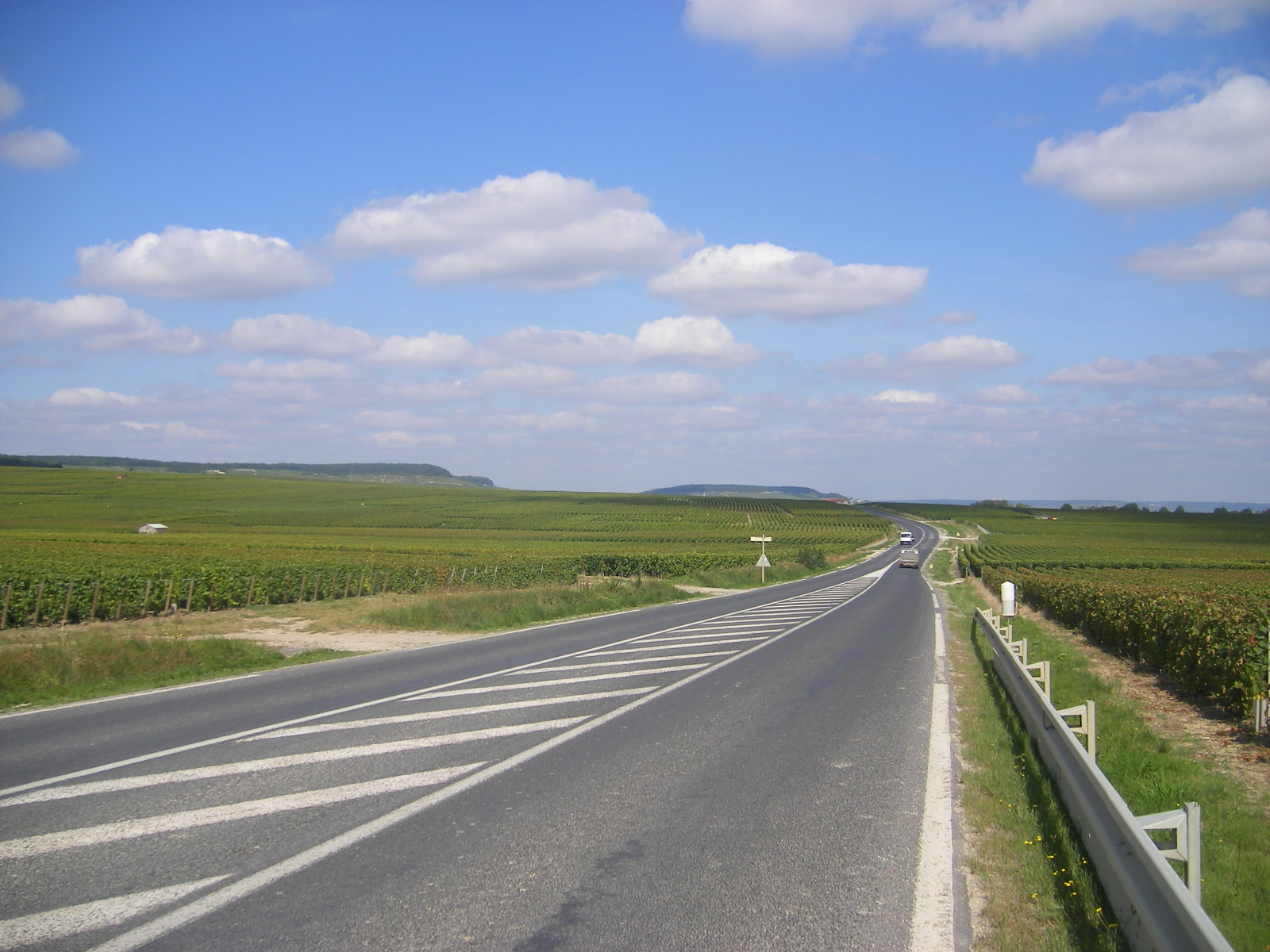
Champagne Pierre Péters
Le Mesnil-sur-Oger, Côte des Blancs — six generations of grower-Champagne, started in 1919
Camille Péters started selling Champagne under his own family’s name in 1919 — decades before anyone called it “grower Champagne” or talked about RM-vs-NM. Six generations later, the family still farms the same Grand Cru parcels of pure Côte des Blancs chalk, and a perpetual reserve solera started in 1969 anchors their flagship cuvée.
The TERROIR Letter
The Cellar, Delivered
Monthly selections and a weekly Subscriber’s Pick — curated bottles that never appear on the site.
TERROIR may earn a small commission from purchases made through affiliate links on this page. Sponsored content is clearly labeled. Our editorial picks are never influenced by advertisers.