

May 2026
The Month of
Lighter Tables
Three wines for the season when dinner moves outside and the food gets quieter. A Languedoc Picpoul from the salt-marshes of the Étang de Thau. A blue-slate Riesling from one of Germany’s most precise dry-wine cellars. A grower Champagne from the chalk-and-clay edge of the Aube. May is when the cellar starts pouring whites again — and these are the bottles to reach for.
Selections from a past month — availability may have changed.
Our recommendations may include affiliate links. Purchases made through them help support TERROIR at no extra cost to you.
01
The Weekday Wine · Under $20
Moulin de Gassac Picpoul de Pinet 2023
Picpoul de Pinet AOC, Languedoc, France
Sea-spray lift on the nose, then green apple, salted lemon, and a faint chalk-and-marsh minerality that comes straight from the soil. Picpoul de Pinet is grown on the limestone shores of the Étang de Thau, the brackish oyster lagoon east of Béziers, and the wines have always tasted like the place — bright, briny, almost mid-Atlantic in their salinity. Moulin de Gassac is Aimé Guibert’s second label out of Mas de Daumas Gassac; the Picpoul is the line’s quiet workhorse. Under fifteen dollars, served straight from the fridge with a plate of bivalves, it is the most reliable summer-into-fall white the Languedoc still makes.
TASTING NOTES
Green apple, salted lemon, sea spray
PAIRS WITH
Oysters, grilled sardines, goat cheese salad
GRAPE
Piquepoul Blanc (100%)
DRINK WINDOW
2025–2027
Vintage Context
The Languedoc’s 2023 ran warm in mid-summer but cooled into a long, dry September — the kind of season that suits Picpoul’s late ripening and lets the variety hold its natural acidity through harvest. Moulin de Gassac picked early to protect the lift; the result is a 2023 that drinks taut rather than tropical, a touch leaner than the warm 2022 and the better for it.
Build the Board
via Murray’s Cheese
A weekday board for a Languedoc Picpoul — the table by the lagoon
Banon AOC chèvre wrapped in chestnut leaf · Saucisson sec à l’ancienne · Lemon marmalade · Castelvetrano olives · Sea-salt crackers
02
The Saturday Pour · $20–$50
Dönnhoff Tonschiefer Riesling Trocken 2023
Nahe, Germany
White peach and crushed slate on the nose, then a palate that reads almost mineral-first — wet stone, citrus zest, the faintest hint of beeswax, and an acidity so balanced you almost forget to notice it. Dönnhoff has been quietly making the case for dry Nahe Riesling for forty years, and Tonschiefer — literally “clay slate” — is the cuvée that introduces their dry style at an honest price. It draws from a constellation of blue-slate parcels around Oberhausen rather than from any single Grosse Lage. What you get is the house style at one register down from the great single-vineyard bottlings: linear, weightless, finish-driven, the kind of dry Riesling that re-teaches you what the variety is actually for.
TASTING NOTES
White peach, wet slate, beeswax
PAIRS WITH
Roast chicken, Thai herb salad, smoked trout
GRAPE
Riesling (100%)
DRINK WINDOW
2026–2032
Vintage Context
Germany’s 2023 brought a textbook Nahe season after a few warmer years — late budbreak, cool nights through August, just enough rain in early September to refresh the vines before harvest. Dönnhoff’s dry wines came in with their classic alcohol register (around 12%) and the precise acidity the estate is known for. The Tonschiefer is built to drink now and to hold cleanly for at least five years; the senior bottlings will need longer.
Build the Board
via Murray’s Cheese
A Saturday board for a Nahe Trocken — slate against soft cheese
Alpine Reblochon · Westphalian ham, paper-thin · Apricot mostarda · Pickled white asparagus · Pumpernickel rounds
03
The Splurge · $50+
Vouette et Sorbée Fidèle Brut Nature Blanc de Noirs Champagne
Aube, Champagne (Buxières-sur-Arce)
Bruised yellow apple and crushed hazelnut on the nose, then a palate of dried citrus peel, sourdough crust, and a long, chalk-driven finish that reads more Burgundy than Champagne. Bertrand Gautherot farms eleven hectares of Pinot Noir on the Kimmeridgian clay-and-chalk of the Côte des Bar — the southernmost Champagne sub-region, closer to Chablis than to Reims. He works biodynamically, vinifies in old oak, and dosages at zero. The Fidèle is his vineyard expression: Pinot Noir as Champagne base, no sugar to round the edges, the chalk doing the work the dosage usually does. It is not the Champagne of celebration. It is the Champagne of attention — open it slowly, drink it with food, and listen to what dry Pinot from this corner of France actually sounds like.
TASTING NOTES
Yellow apple, hazelnut, sourdough, chalk
PAIRS WITH
Roast chicken, hard alpine cheese, lobster
GRAPE
Pinot Noir (100%)
DRINK WINDOW
2026–2034
Vintage Context
The Aube has been on a run of long, warm Pinot Noir vintages — high ripeness, very clean fruit, Pinot coming in around 11.5% potential alcohol with the Kimmeridgian-driven acidity that defines this end of Champagne. Gautherot picks early, ferments in seasoned barrel, and ages the Fidèle on lees for over thirty months before disgorgement. No dosage at bottling. The wine arrives drinking now, with the structure to keep evolving for the better part of a decade.
Build the Board
via Murray’s Cheese
A splurge board for an Aube grower Champagne — chalk against richness
3-year Comté AOC · Bayonne ham, slow-aged · Quince paste · Marcona almonds · Walnut sourdough
Subscribers get a weekly pick that never hits the site — a fourth bottle, every Thursday, in The TERROIR Letter.
“May is the month the cellar starts pouring whites again.”
— The TERROIR Editorial Desk
Producer Spotlight
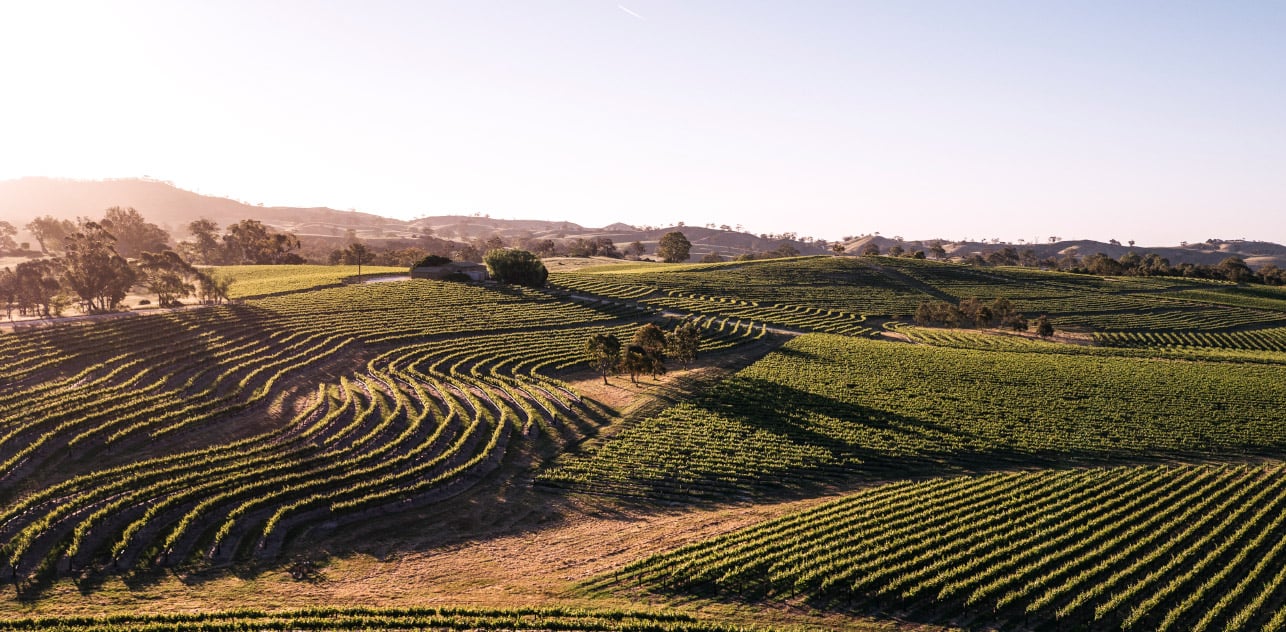
Pewsey Vale
Eden Valley, South Australia — the vineyard that proved cool-climate Riesling could survive at the bottom of the world
In 1847, an English settler named Joseph Gilbert planted Riesling cuttings on a granite ridge above the Barossa floor, a thousand feet up, and waited. Pewsey Vale is the vineyard Australia traces every dry Riesling back to.
The TERROIR Letter
The Cellar, Delivered
Monthly selections and a weekly Subscriber’s Pick — curated bottles that never appear on the site.
TERROIR may earn a small commission from purchases made through affiliate links on this page. Sponsored content is clearly labeled. Our editorial picks are never influenced by advertisers.