

Patience, Precision, and the Great Correction
After three years of heat-driven intensity, the climate corrected. Cool nights returned classical structure to Piedmont and the Mosel, while compressed yields concentrated the Douro and Barossa into something rare.
After three years of heat-driven intensity, the 2024 vintage delivered something the wine world had been quietly hoping for: a climatic correction. Not the market kind, though pricing adjustments followed in kind, but a fundamental recalibration of growing conditions that returned classical structure, acidity, and site expression to regions that had spent half a decade producing wines of power over precision. April frosts, persistent spring rains, and fungal pressure tested patience across Europe. Those who kept their nerve through the longest, most demanding harvest in recent memory were rewarded with wines that recall the elegance of 2016 rather than the heat-branded concentration of 2020 through 2022.
The Climate That Shaped the Glass
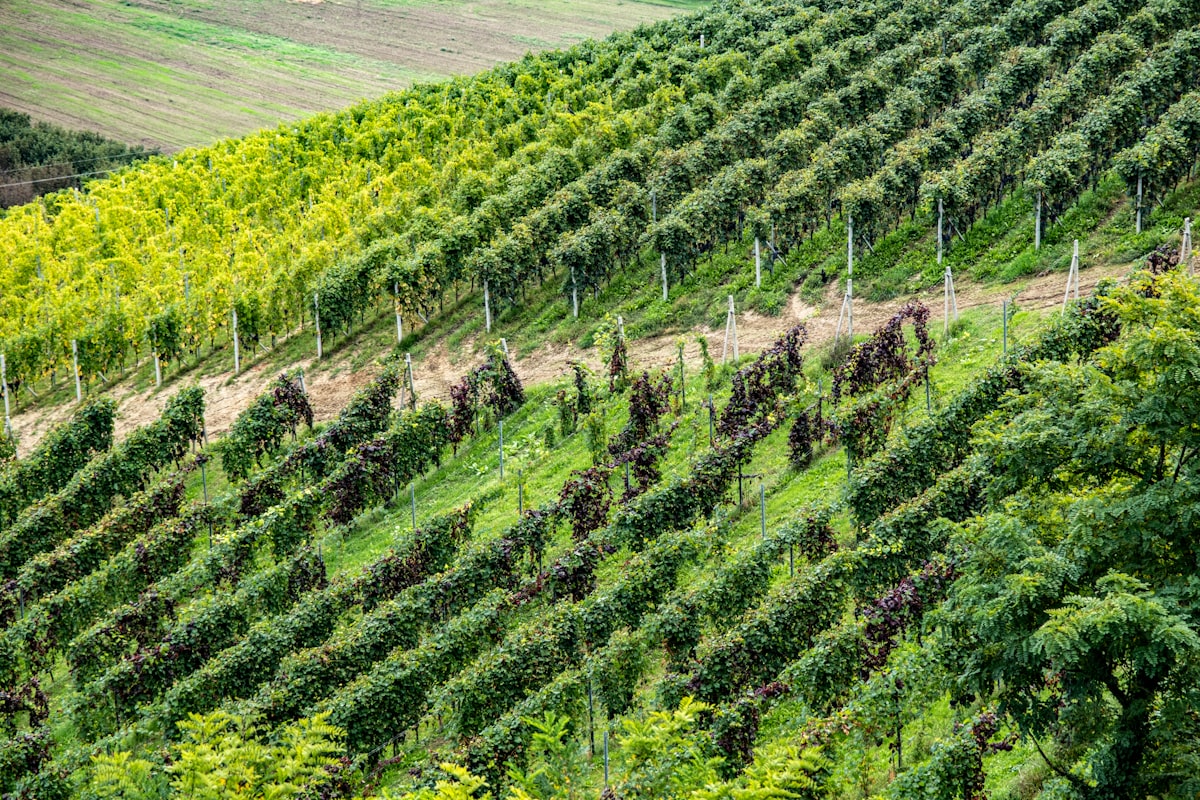
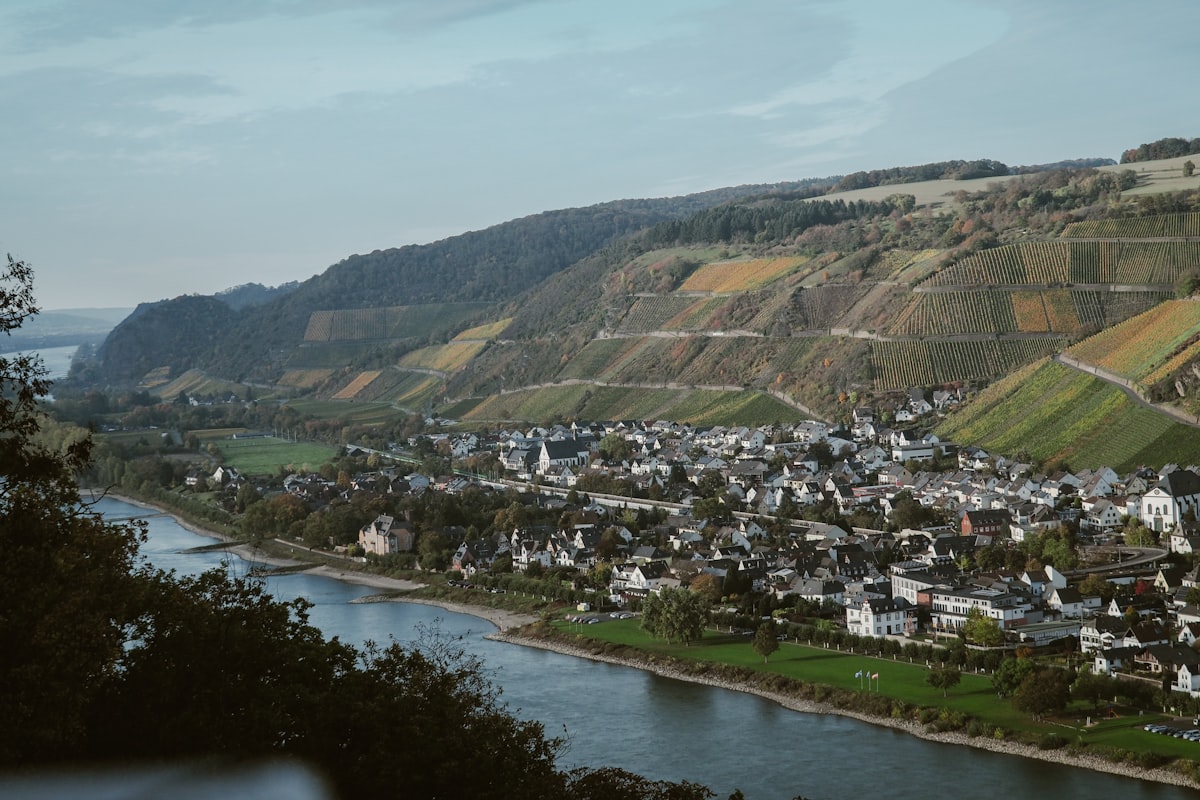
The defining pattern across Europe was cool nights, measured ripening, and a return of acidity not seen in nearly a decade. In Piedmont, a wet spring gave way to a moderate summer that kept alcohol levels around 13.5 percent, well below the 14.5 percent benchmarks of recent warm years, producing Nebbiolo of rare structural finesse across both Barolo and Barbaresco. The Mosel endured hailstorms in May and frost damage in April that cut yields to their lowest level in decades, yet the surviving fruit delivered Rieslings of crystalline minerality, most estates barely reaching Kabinett ripeness levels in a season that demanded discipline over ambition. Across Bordeaux, the smallest crop since 1991 emerged from mildew pressure and persistent rain, yet the wines that survived carry the freshness and classical proportion of a bygone era.
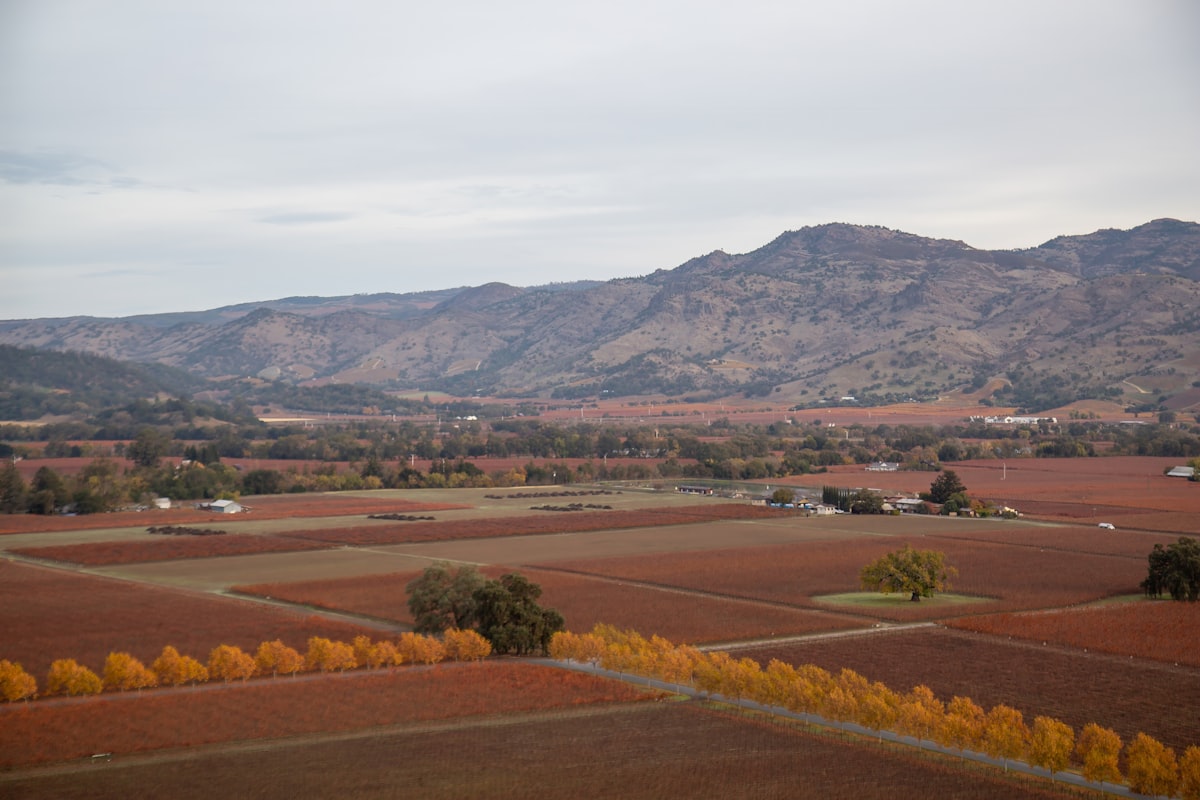
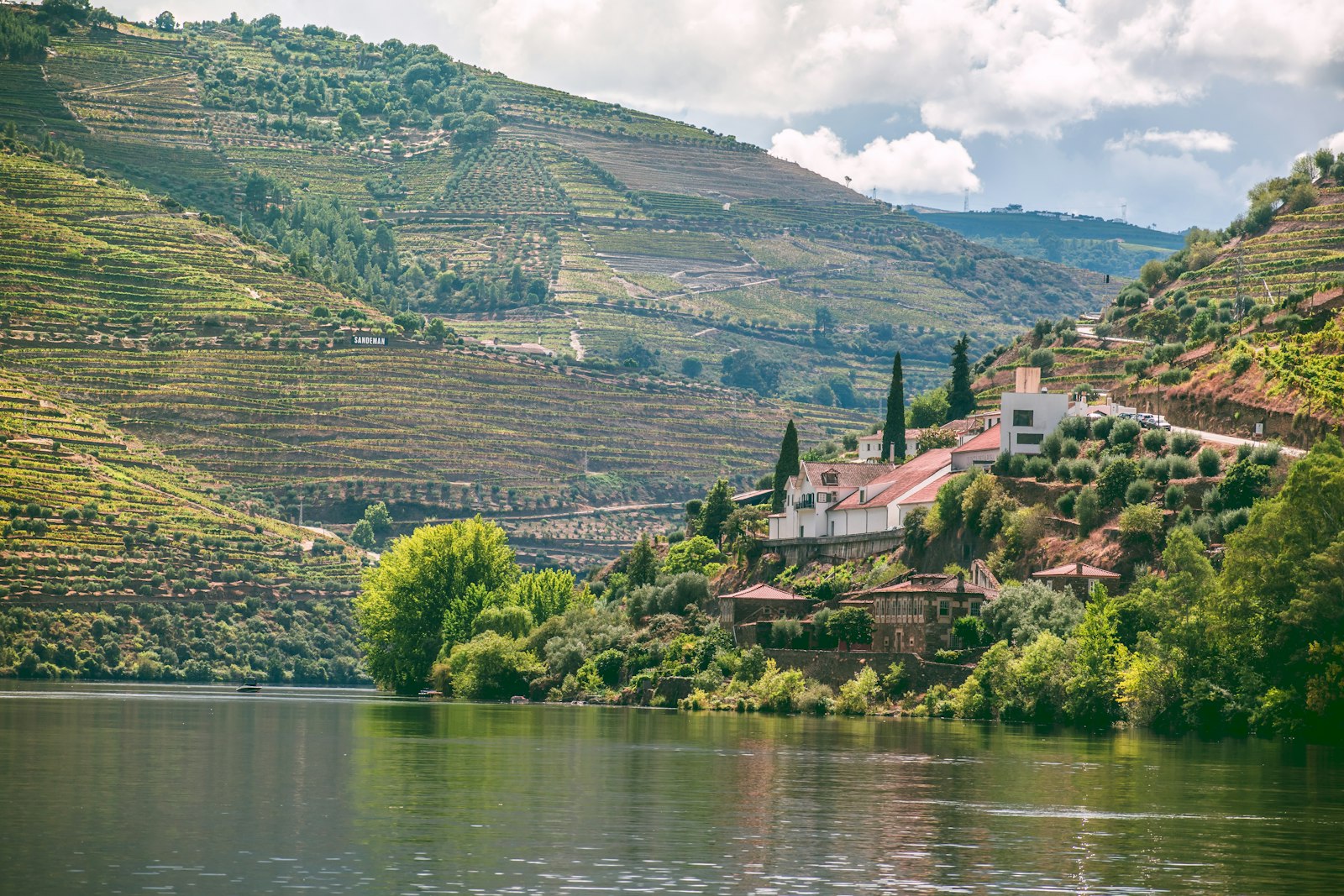
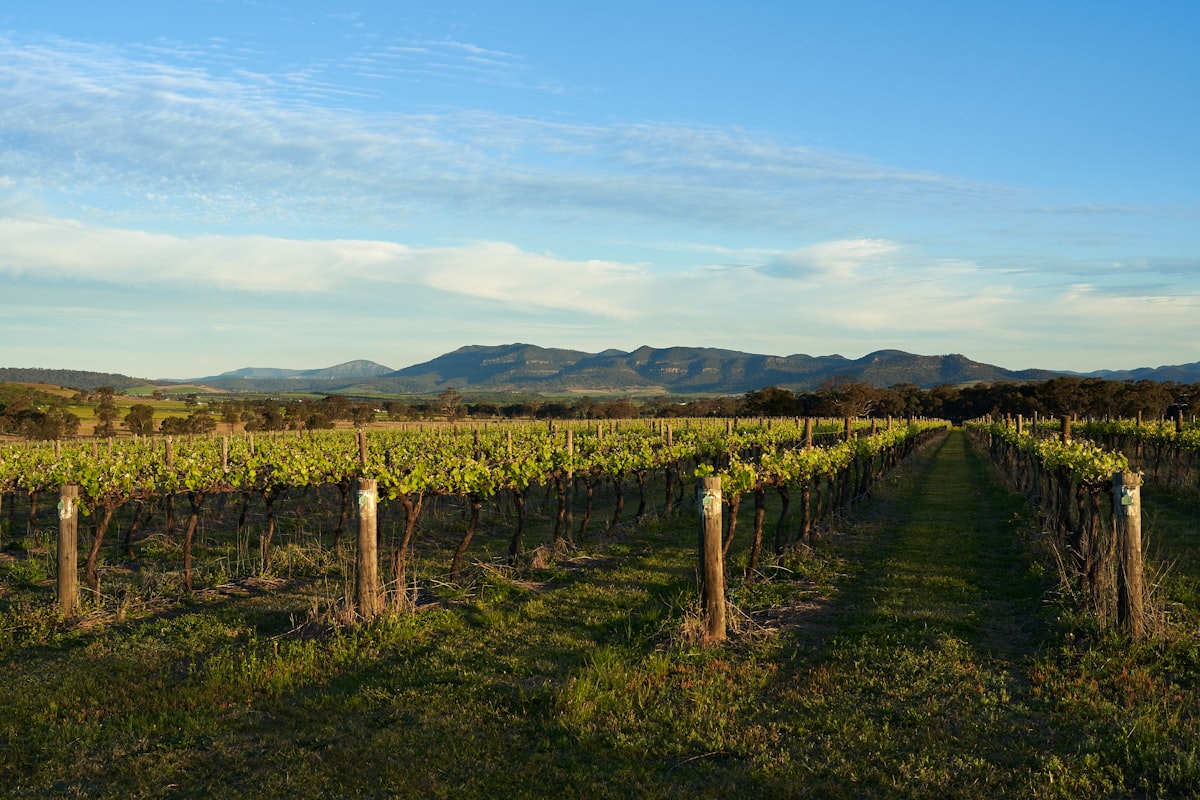
Beyond Europe, the story split along hemispheric lines. Napa Valley received generous winter rainfall that replenished soils after three drought years, carrying vines through concentrated heat events, including peaks of 114°F in Calistoga, with a composure not seen since before the fire vintages. Harvest timing returned to a more traditional mid-August through mid-October window, and the resulting Cabernet Sauvignons show vivid color, fine tannins, and an acidity framework that promises decades of development. In the Douro, the vintage arrived later than in recent years, grapes reaching the winery at an ideal 20 to 22 degrees Celsius, with cool nights producing the kind of natural phenolic development and freshness that some producers had not seen in a decade. Barossa faced the inverse challenge: below-average winter rains and a February heatwave compressed the season, but smaller berries on old vines produced wines of unusual intensity from those growers disciplined enough to drop fruit early.
Where the Value Lies
For collectors and serious buyers, 2024 is a vintage that rewards conviction. Piedmont and the Mosel both produced wines of a quality that does not arrive on a predictable schedule—the kind of bottles that define a cellar for the next two decades. Piedmont’s lighter, more perfumed Nebbiolo may not carry the immediate power of recent warm years, but that restraint is precisely what separates wines built for the long haul from those that peak early and fade. The Mosel’s compressed yields, meanwhile, mean limited allocations of Riesling at a level of minerality and tension that rivals any white wine region on earth.
The Douro continues to mature into one of the most compelling fine wine regions in the world. A third consecutive strong vintage has produced mineral-driven, structured reds from the Cima Corgo and Douro Superior at pricing well below wines of equivalent quality from Bordeaux or the Rhône. Napa’s return to balance after years of drought gives collectors a Cabernet vintage with genuine cellar potential, and Barossa’s old-vine Shiraz, from producers who navigated the heat with discipline, offers concentration without excess. The full picture, region by region, follows below.
Featured Region Reports
 01 / 05
 02 / 05
 03 / 05
 04 / 05
 05 / 05
The TERROIR Letter
The story behind every bottle.
One feature. One dispatch. One bottle worth opening. Every Thursday — free.