

The Cellar › Producer Spotlight
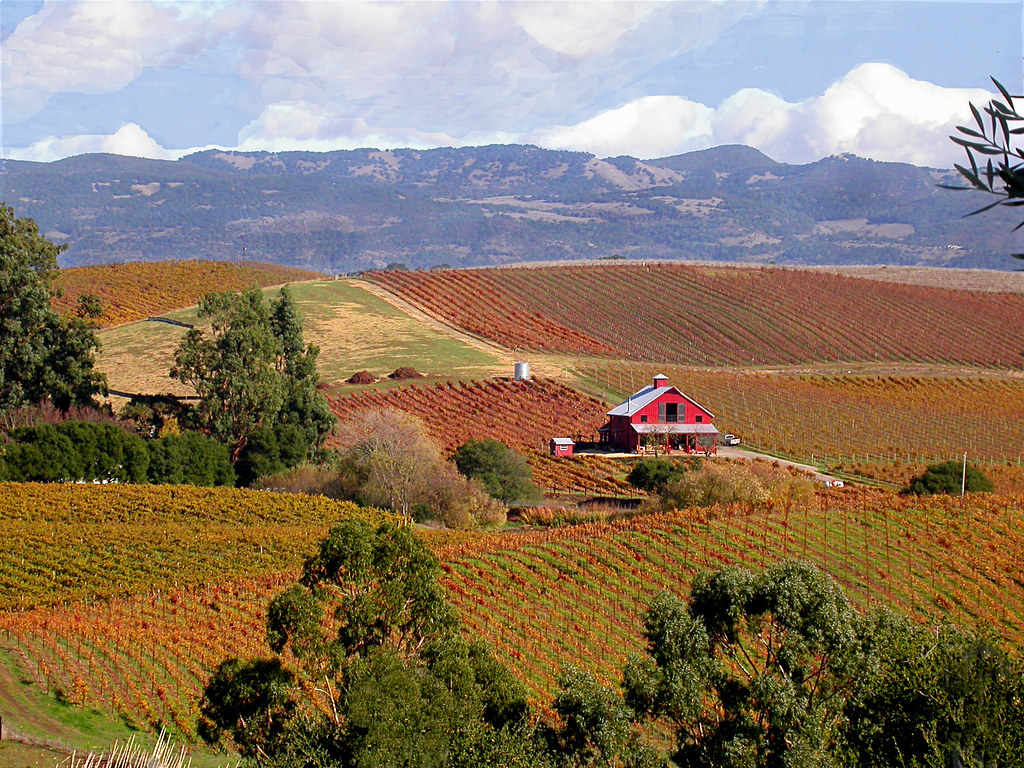
Producer Spotlight · February 2026
Matthiasson Wines
Italian restraint in Cabernet country
Napa Valley · Est. 2003 · Steve & Jill Matthiasson
Steve and Jill Klein Matthiasson founded their winery in 2003 with backgrounds that should have predicted Cabernet — Steve as a vineyard consultant working with serious Napa producers, Jill as a sustainable-agriculture researcher. Instead they made wine that goes with dinner. Lower alcohol, higher acidity, food-first. They planted Refosco, Ribolla Gialla, Tocai Friulano, and Schioppettino next to the Cabernet. Two decades later, the Drinks Business named them among the ‘Five Winemakers Shaping the New California’ (April 2026). The story is the same one they started with: Italian sensibilities in a valley that mostly pretended Italian varieties didn’t exist.
The home vineyard sits on the Oak Knoll AVA at the southern, cool end of Napa Valley — not the heat belt of Rutherford or St. Helena where most prestige Cabernet is grown. That climate makes the Italian varieties possible (Ribolla Gialla and Tocai Friulano need acid retention to mean anything) and it makes the Cabernet read more like the Cabs the Matthiassons drank when they fell in love with wine: lower alcohol, longer aging curve, food on the table. George Vare grafted Friulian budwood onto a 15-year-old Merlot vine in his Napa vineyard in 2001 with Steve managing the site; the Matthiassons made their first skin-contact Ribolla in 2008 — one of the first orange wines made in California.
“The most interesting thing happening in Napa right now isn’t a Cabernet trend. It’s the people growing grapes nobody asked for.”
— The TERROIR Editorial Desk
The Italian Varieties
Matthiasson plants Refosco, Ribolla Gialla, Tocai Friulano, and Schioppettino — varieties that show up on Italian wine maps but rarely on Napa ones. The Ribolla story is the unlikely centerpiece: George Vare grafted Friulian budwood onto an existing 15-year-old Merlot vine in his Napa vineyard in 2001, with Steve working the site; the Matthiassons made the first skin-contact Ribolla in 2008. The Tocai Friulano is now a regular bottling. The point isn’t novelty — it’s that Italian varieties are food-first wines, and Italian sensibilities (high acid, lower alcohol, drinkable young) are what the Matthiassons wanted to make in the first place. Cabernet is just the variety the neighbors happen to plant.
Why Matthiasson Matters
There’s a small cohort of California producers making this argument right now — Steve and Jill Matthiasson, Dan Petroski at Massican, a handful of others. The Drinks Business calls it the ‘New California’ (April 2026). The thesis: Italian-style restraint is the most interesting thing happening in the state. Matthiasson sits at the cohort’s center because they bring the discipline to the wines that actually matter to Napa — the Cabernets. Their Village Cab at the entry tier and Napa Valley Cab at flagship are both built on the same low-alc/high-acid philosophy as the Italian varieties. The answer to a question that will only get louder: what does the next generation of Napa winemakers do once the heat-bomb Cabs stop selling?
Shop the Producer
Explore Matthiasson
Cabernet Sauvignon
Napa Valley Cabernet Sauvignon 2022
Napa Valley
The flagship. Same philosophy at full estate scale — restraint that asks the kind of patience most Napa producers no longer have.
Purchases through these links help support TERROIR at no extra cost to you.
The TERROIR Letter
The Cellar, Delivered
Monthly selections and a weekly Subscriber’s Pick — curated bottles that never appear on the site.