

The Cellar › Producer Spotlight
Producer Spotlight · June 2025
Mas de Daumas Gassac
Aniane, Languedoc — the geology professor said it was Burgundy soil
Aniane, Hérault · Founded 1971 · Samuel Guibert + brothers, current generation
In 1971, Aimé Guibert and his wife Véronique bought a small property in Aniane, in the back hills of the Hérault — they were textile-industry refugees from Paris looking for a quiet rural life. Henri Enjalbert, Professor of Geology at the University of Bordeaux and an old family friend, came to visit, sampled the soil at the base of one of the hillsides, and told them they were standing on glacial-limestone rendzine identical to the great vineyards of the Côte d’Or. The Guiberts planted Cabernet Sauvignon. The estate that followed became what trade press called “the Lafite of the Languedoc.”
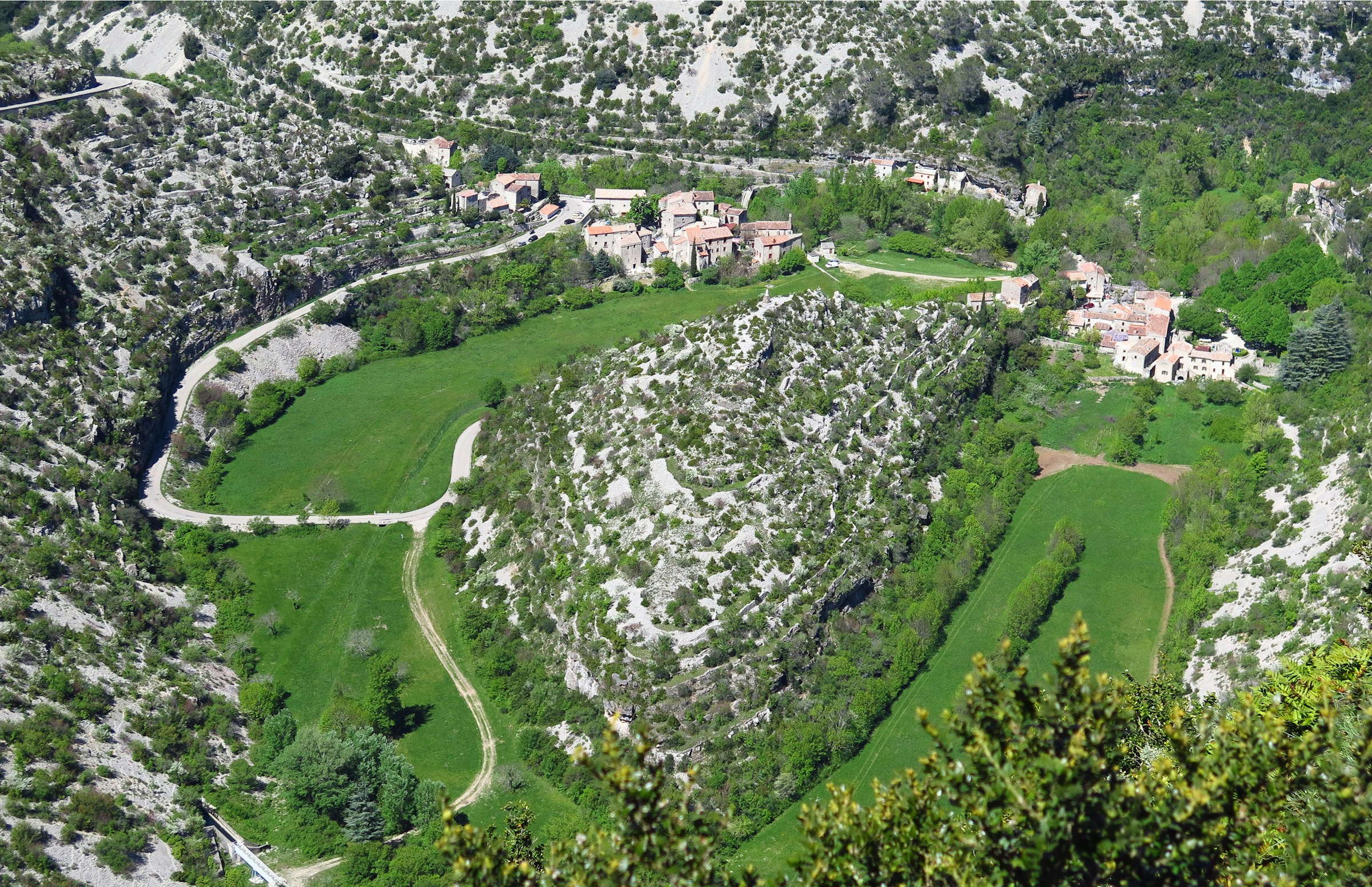
Daumas Gassac sits in the foothills of Mont Pic Saint-Loup, outside Aniane, in a high-altitude pocket cooled by airflow from the Cevennes mountains. The estate’s parcels are spread across approximately fifty individual one-hectare clearings, each enclosed by garrigue and forest, on the rare glacial-cold rendzine soils Enjalbert identified. The cooling forest microclimate explains why Bordeaux varieties ripen here without overripening, decades before climate change made the rest of the Languedoc viable for the same.
The Geology Professor
Aimé Guibert led the estate until his death in 2016; his son Samuel and three brothers (four Guibert sons total) run the family business today. The flagship Daumas Gassac Rouge is roughly 70% Cabernet Sauvignon supplemented by an unusual mix of forty grape varieties the Guiberts planted experimentally over the years. In 1990, Aimé founded Moulin de Gassac, the négociant arm sourcing from the wider Villeveyrac amphitheatre — the value brand that puts serious Languedoc terroir under fifteen dollars.
Why Daumas Gassac Matters
100% organic farming since 1974 — the vines have never seen synthetic herbicides or fertilizer. Slow, cool wild-yeast fermentations. Twelve to fifteen months in old French oak. The wines age for twenty to thirty years; the 1978 estate red is still drinking now. Daumas Gassac is the proof case that French regional hierarchy was never about French regions but about French soils. When the geology professor was right, the wine eventually proved him so.
Shop the Producer
Explore Daumas Gassac
Cabernet Sauvignon-dominant blend of 40 grape varieties
Mas de Daumas Gassac Rouge (current vintage)
Aniane, Hérault, Languedoc
The flagship — Cabernet Sauvignon-dominant blend across forty grape varieties from one-hectare forest-enclosed parcels. The estate that proved Languedoc could compete on quality and longevity. Wine-Searcher routes to current US retailer stock.
Purchases through these links help support TERROIR at no extra cost to you.
The TERROIR Letter
The Cellar, Delivered
Monthly selections and a weekly Subscriber’s Pick — curated bottles that never appear on the site.