

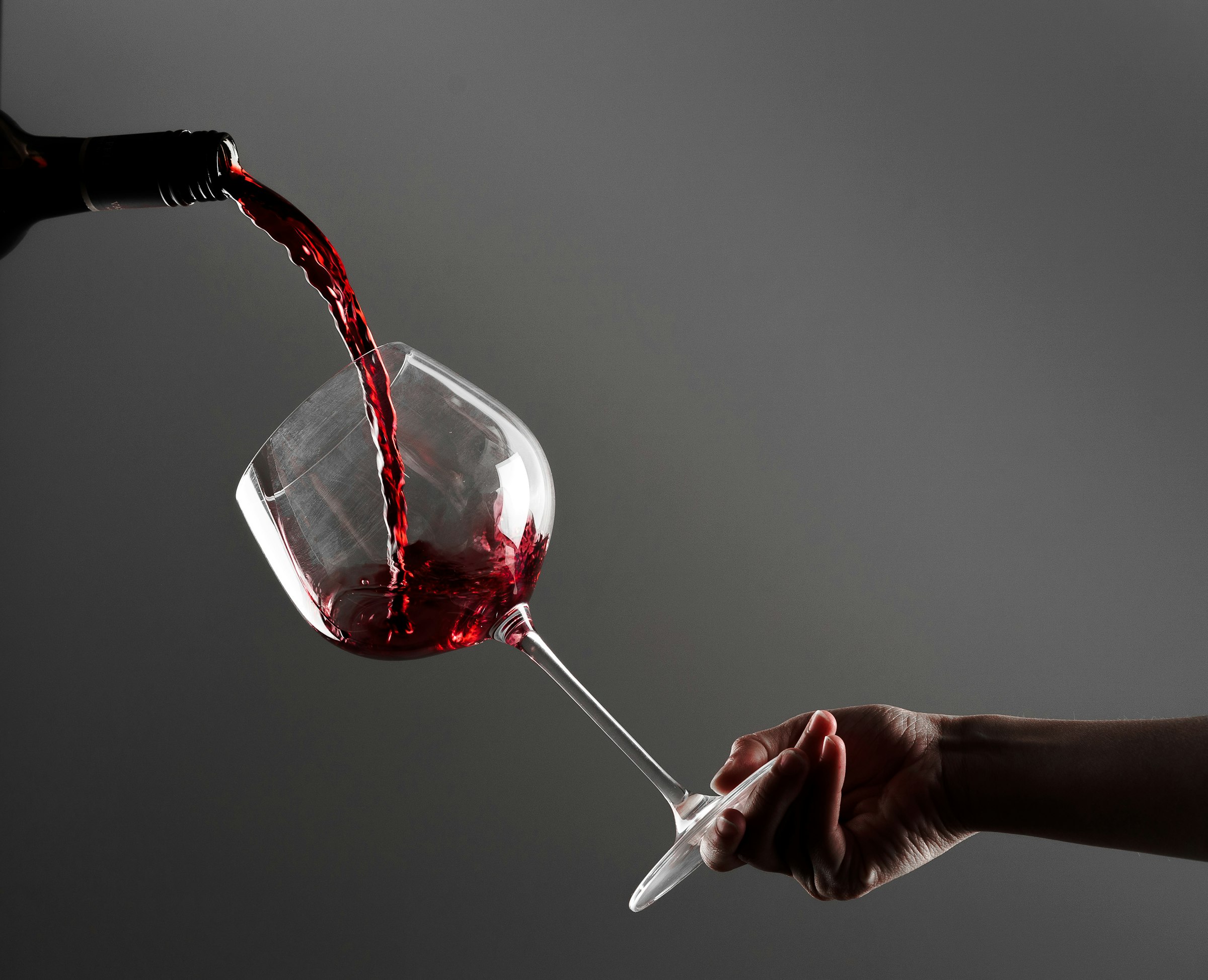
It is nine in the morning at a fine-dining house in a mid-sized American city, and the person who runs the beverage program is hunched over a row of small white cupping bowls, hot water in a kettle, four single-origin coffees from the morning’s delivery laid out in front of them. The wine delivery is not due until eleven. The cocktail prep does not start until two. Between now and service, the beverage director will taste coffee, approve the kombucha rotation for the new no-alcohol pairing menu, sit in on the bartender’s espresso-martini garnish test, and only then turn to the case of grower Champagne that needs receiving.
Seven years ago this person would have been called the cellar master, or the head sommelier, or simply the wine director, and the morning would have started with wine. The title has changed. So has the morning.
What the sommelier used to be
The role the public still associates with the word sommelier is the late-20th-century version: a cellar steward who managed the inventory, a list-builder who decided what the restaurant would pour, and a tableside presence who guided the wine choice during service. Three jobs, one person, and the category was bounded. Spirits sat with the bartender. Beer sat with whoever ordered the keg. Coffee was the pastry chef’s problem. The sommelier did wine.
Like this? The TERROIR Letter arrives every Thursday.
The credential infrastructure tracked that bounded scope. The Court of Master Sommeliers was founded in the United Kingdom in 1977 to formalise a profession that had until then been trained on the floor. The first Master Sommelier exam was administered in the United States in 1986, and the American chapter, eventually renamed Court of Master Sommeliers Americas, grew through the 1990s and 2000s into the dominant North American certification track. The curriculum, then as now, was wine-deep: theory, blind tasting, service. Cocktails were not on it. Coffee was not on it. The exam tested whether a candidate could blind-call a Mosel Riesling from a Wachau Grüner Veltliner, not whether they could cost a quarterly cocktail menu.
That training built deep specialists. It also built a category boundary the restaurant industry has spent the last five years quietly dismantling.
What changed in 2020
The restaurant labour market did not survive COVID in its prior shape. Between March 2020 and the staggered reopenings of 2021 and 2022, most independent fine-dining houses in the United States and the United Kingdom cut headcount and consolidated roles. Trade press documented the same pattern across the period: dedicated head-sommelier positions disappeared, the wine-list responsibilities folded upward into a single beverage role, and cellar master, head sommelier, and wine director all became, with varying degrees of formality, the beverage director.
The pattern was not universal. The top tier of fine dining (three-star houses, ambitious tasting-menu rooms, hotel groups with capacity for specialist depth) often preserved a dedicated wine sommelier reporting into the beverage director. But the second and third tiers, where the financial pressure was sharper and the staff count smaller, mostly did not. The wine column on the profit-and-loss statement stopped being one of two columns (wine and bar) and started being one of seven or eight: wine, spirits, cocktails, beer, coffee, tea, water, and the growing no-and-low-alcohol category. The same person now owns all of them.
What the portfolio looks like in 2025
The beverage director’s job today is a portfolio job. The wine program is the most expensive single category at most restaurants, and at high-end houses it is still the category where the largest margin lives, but it is no longer the only category that generates revenue worth caring about. Two market shifts in particular have crossed the old boundary.
The first is the espresso-martini moment. The drink itself is not new; Dick Bradsell created it at Fred’s Club in London in 1983. What is new is the volume. Beginning around 2021 and accelerating through 2022 and 2023, the espresso martini became the single fastest-growing call-cocktail in much of the American on-premise market, driven by social-media virality and the post-pandemic taste for richer, sweeter drinks. By 2024 it was routine for a restaurant’s cocktail revenue to approach or exceed its by-the-glass wine revenue, particularly at houses that built strong cocktail programs in the rebuild. The beverage director is responsible for both numbers.
The second is the orange-wine moment, which ran roughly from 2018 through 2024 and made skin-contact whites a cross-category proposition. An orange wine reads on a list more like an amaro than like a Chablis: it pairs with the bartender’s vermouth flight, it lives in conversations about texture and bitterness, and it requires a beverage director who can speak both wine and cocktail registers fluently. A sommelier trained only on classical regions would have been an incomplete hire for the kind of list a contemporary natural-wine-adjacent room was building.
The third, more recent shift is the no-and-low category, which has moved from a niche concern to a measurable line item. Trade-show coverage at ProWein and elsewhere in 2024 marked the surge as durable rather than seasonal, and most beverage directors now budget for a dedicated NA pairing option on every tasting menu and a small but real reserve of zero-proof spirits behind the bar. The category is small in revenue terms; it is large in guest-experience terms.
What gets traded
The trade is real. When wine is one program in seven, the person responsible for it is by definition giving less daily attention to it than the cellar master of 2015 was. Some restaurants have responded by hiring a wine specialist (often a young sommelier with classical training) who reports into the beverage director and owns the cellar, the buying, and the floor wine-service. That structure preserves deep wine expertise inside a broader portfolio. Other restaurants run thinner: the beverage director owns wine alongside everything else, and the depth that a dedicated cellar master used to bring is, in real terms, no longer there.
The credential institutions have begun to broaden in response. The Court of Master Sommeliers and its peer bodies have, over the last several years, expanded the operational and management components of their advanced curricula to reflect what a candidate’s actual job will look like on the other side. The wine-theory and tasting components remain. What sits around them has changed.
The institutional question that remains open is what happens to wine expertise, in aggregate, when it is one of seven programs rather than the program. Restaurants that preserve specialist depth under a beverage director are running the experiment one way. Restaurants that compress the wine role into a generalist’s portfolio are running it the other. The trade-press coverage of the next five years will record which version of the role produces deeper wine lists and which produces thinner ones. The question is not yet answered.
Back at the cupping bowls, the kettle is empty and the four single-origins are scored. The wine delivery is now thirty minutes out. The beverage director will receive it, log it, and have it shelved before the cocktail prep starts at two. The morning began with coffee. The afternoon will include wine. Both belong to the same person now, and that is the trade.
The TERROIR Letter
The story behind every bottle.
One feature. One dispatch. One bottle worth opening. Every Thursday — free.