

Open the membership page of the International Wineries for Climate Action and the document is laid out the way a tax code is laid out. Three tiers, labelled in plain language. Applicant at the entry rung, then Silver, then Gold. Each rung carries a numerical threshold on a separate column, and each threshold is bound to a specific category of greenhouse-gas emission. Scope 1 here. Scope 2 there. Scope 3 noted with a footnote on coverage. The architecture is the article. It tells a member exactly what has been counted, what has not, and what level of reduction the seal on the back of the bottle is claiming.
That seal is what the buyer is reading when the marketing copy says carbon-neutral. The IWCA tier-document is the working definition behind it, and the working definition matters because the phrase on the bottle is doing more weight, and getting less scrutiny, than almost any other claim a producer makes on a label.
What the three tiers mean
IWCA was founded in 2019 by a small cohort of producers who wanted a shared technical standard for climate disclosure across the wine sector. The organisation frames itself as ‘the gold standard of climate action in wine,’ and the membership architecture sits behind that claim. Applicant is the entry rung. Then Silver. Then Gold. Each rung carries its own definition of what the producer has signed up for and what the producer has verified.
Like this? The TERROIR Letter arrives every Thursday.
Silver is the load-bearing tier for the seal’s working definition. A Silver member is ‘committed to becoming Net Zero by no later than 2050 across Scopes 1, 2, and 3.’ To enter the tier the producer must complete a ‘baseline, third-party verified GHG emissions inventory across Scopes 1, 2, and 3.’ Both halves of that requirement matter. The commitment is to all three scopes, not the two the producer has the most direct control over. The baseline inventory has to be third-party verified, not self-reported, and it has to cover all three scopes on the way in.
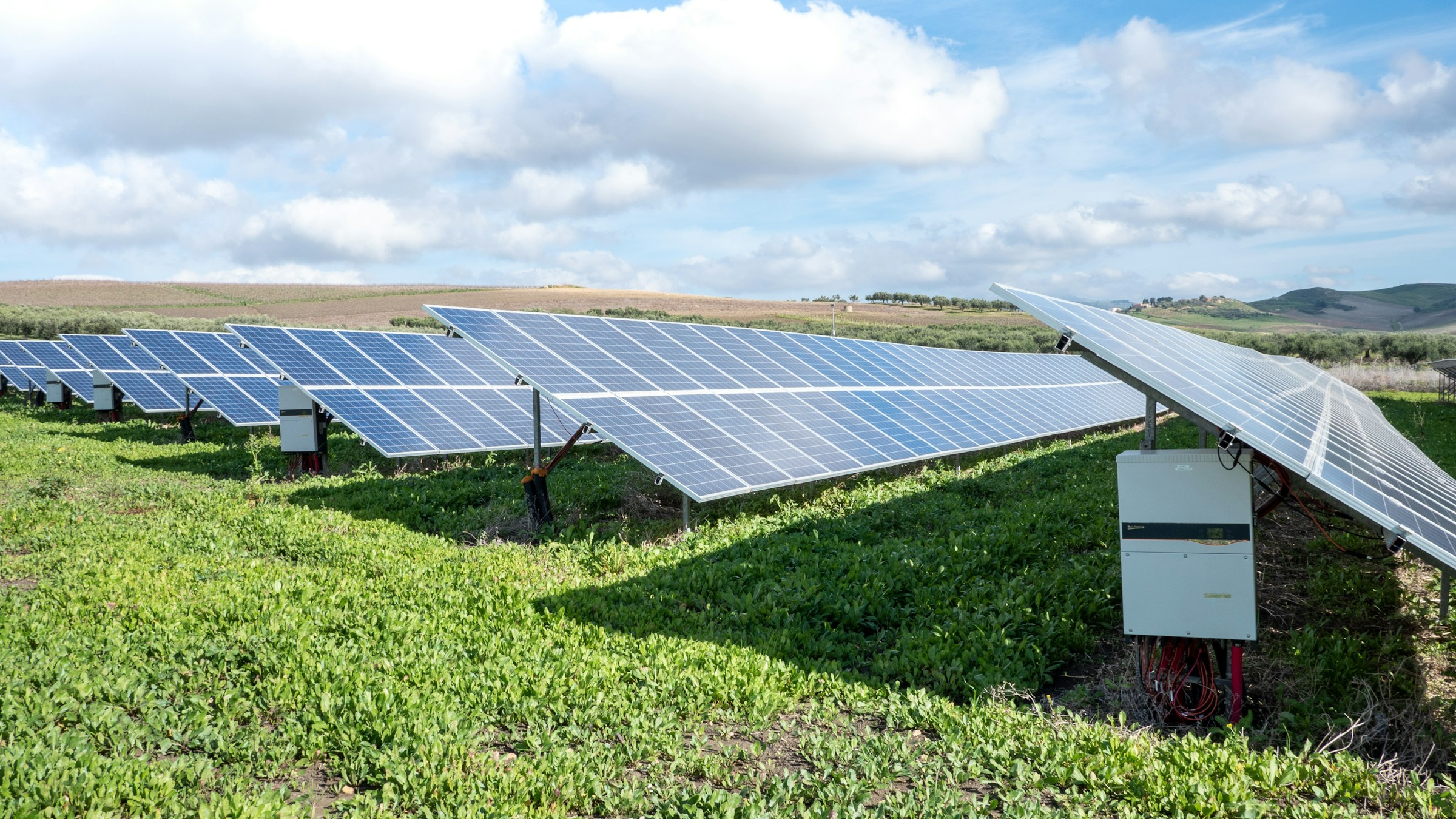
Gold adds a renewable-energy floor on top of Silver’s commitments. A Gold-tier winery ‘self-generates onsite renewable energy equivalent to at least 20% of all energy that you consume.’ The Silver-tier Net Zero commitment across all three scopes carries through to Gold unchanged; Gold is Silver plus an operational floor on how the producer is sourcing its energy today.
The ordering matters. The Silver tier is not asking the producer to be Net Zero now. It is asking the producer to commit, in writing, with a third-party-verified starting line, to a 2050 endpoint across the full footprint. Gold asks the same plus a measurable share of onsite renewables in the current operating year.
What the seal is committing to, and on what timeline
The accounting categories the standard uses come from the published greenhouse-gas accounting conventions familiar to listed-company climate reporting. Scope 1 is direct emissions a producer controls. Tractor diesel. Boiler fuel in the winery. Refrigerant losses. Scope 2 is purchased energy. Grid electricity for fermentation cooling, for bottling lines, for cellar climate control. Scope 3 is everything else in the supply chain, and for a winery that is a long list. Bottle glass, which is one of the most energy-intensive inputs in the entire production cycle. Cork and closure manufacture. Cardboard cases. Shipping across continents. Distributor warehousing. Retailer chill.
The Silver and Gold tiers both name Scope 3 inside the commitment. That is the part of the framework most likely to be misread in the opposite direction from where the marketing copy invites. A 2026 bottle carrying an IWCA seal is not telling the buyer that the bottle itself arrived with no embedded carbon today. It is telling the buyer that the producer has measured its full Scope 1 to Scope 3 footprint at a verified baseline, and has put its name on a 2050 endpoint at Net Zero across all three of them. The bottle is inside the commitment; the bottle is not yet inside this year’s demonstrated footprint, and the packaging conversation being worked in parallel through lightweighting is what closes the distance between the 2026 baseline and the 2050 line.
What Ridge Vineyards’ path looks like in practice
The clearest worked example of how a producer talks about this distinction publicly is Ridge Vineyards in Cupertino and Healdsburg, California, which has published its journey to carbon neutrality and named the difference between the two terms most likely to confuse the back-label reader. The producer’s framing is the cleanest in the sector. ‘To be carbon neutral means reducing the carbon dioxide emitted into the atmosphere to zero,’ Ridge writes, and ‘Net zero takes carbon-neutral one step further by including additional activities under the scope of indirect emissions.’
The distinction is the whole game. Carbon-neutral, as the marketing phrase is usually read, asks about the producer’s direct emissions and the offsets stacked against them. Net Zero, the term the IWCA standard is built around, asks about the full inventory including the indirect emissions a producer does not control directly. Ridge’s published framing makes the second claim, not the first. Most certified producers do not write their own definitions at this level of clarity. The third-party verification sits between any producer’s inventory and IWCA’s tier audit, and the public-facing claim is the tier. The visibility into any individual estate’s working numbers is uneven, and Ridge is the published exception.
What the seal is and is not telling the buyer
So when a back label carries an IWCA Silver or Gold seal, the working translation is this. A third party has verified the producer’s baseline greenhouse-gas inventory across all three scopes, including the bottle, the closure, the case, the shipping, and the distribution path. The producer has committed, in writing, to Net Zero across that full footprint by 2050. If the seal is Gold, the producer is additionally self-generating onsite renewable energy at twenty per cent or more of total consumption in the current operating year. The seal is a working definition of what the producer has committed to and what the producer has measured at the baseline. It is not a working definition of where every line in the producer’s inventory stands today.
That is a narrower claim than carbon-neutral on a label is usually read to make, and a more durable one than most other green language a producer reaches for. The tier architecture is doing the work the marketing phrase, on its own, cannot. The seal is the regulator-adjacent document on the back of the bottle the way the cumulative-ceiling logo is the regulator-adjacent document for the natural-wine sulfite conversation. It settles, for the first time in the sector, what the argument is actually about.
Look again at the membership page laid out the way a tax code is laid out. Applicant. Silver. Gold. Each tier carrying its own commitment, the commitments bound to all three scopes, the 2050 endpoint named in writing at the baseline. The document is short. Its meaning, on the back of any bottle that carries the seal, is exactly the meaning the document specifies, and no more.
The TERROIR Letter
The story behind every bottle.
One feature. One dispatch. One bottle worth opening. Every Thursday — free.